Women in AI Recap: AI Readiness, Missing Data, and the First Award Recipients
October 18, 2026
Chris Kovac
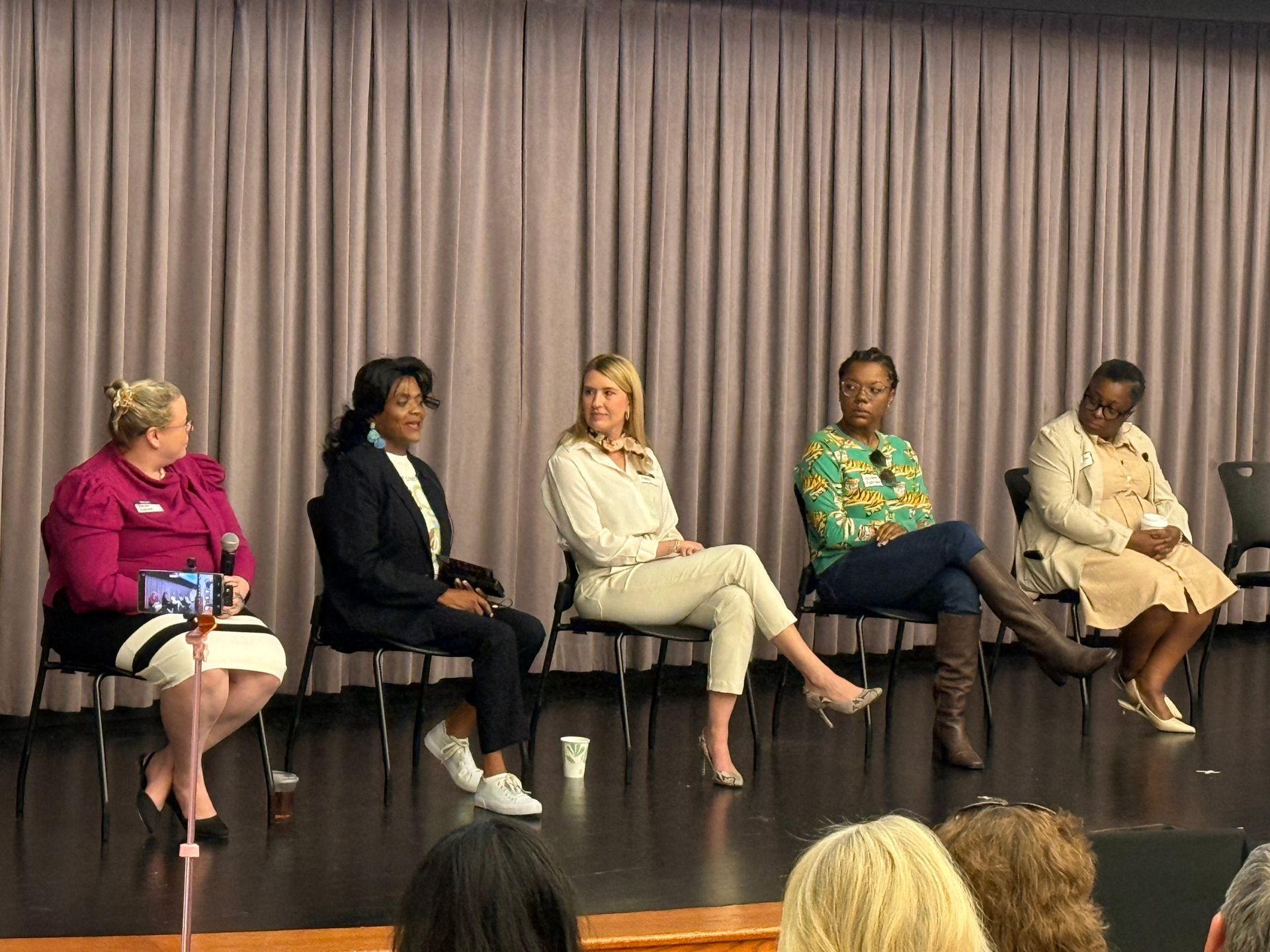
A keynote on AI readiness, a panel on who is missing from the data, and five inaugural award recipients.
On Thursday, October 8, close to 200 people filled Regnier Hall at the KU Edwards Campus for Women in AI: Panel and Awards, the Kansas City AI Club's October meetup, presented with Kansas City Women in Technology. The night came within a few seats of selling out.
The program had three parts: a keynote, a panel, and the first Women in AI Awards. But the conversation kept coming back to two questions that any team working with AI should be asking. Are we actually ready? And who did we leave out?
The keynote: readiness is never finished
Lyndsay Noble opened the night. She teaches at Rockhurst University, works as a fractional Chief Data Analytics Officer, and chairs data and analytics for the club's board. Her topic was AI readiness, and her argument was simple: being ready for AI is not a box you check before a rollout. It is ongoing work, and it only holds when leadership, people, process, data, governance, and technology move together. When one of those falls behind, the rest stall with it.
Award recipient Maliha Khan boiled it down afterward: "AI readiness is a journey, not a destination."
That idea means something different depending on where you sit:
- If you run a company, your AI budget needs room for training and governance, not just software licenses.
- If you manage a team, the pilot that worked for one group will not automatically work for the next one.
- If you are early in your career, knowing how a tool fits into a real workflow is worth as much as knowing the tool itself.
The panel: from curiosity to commitment
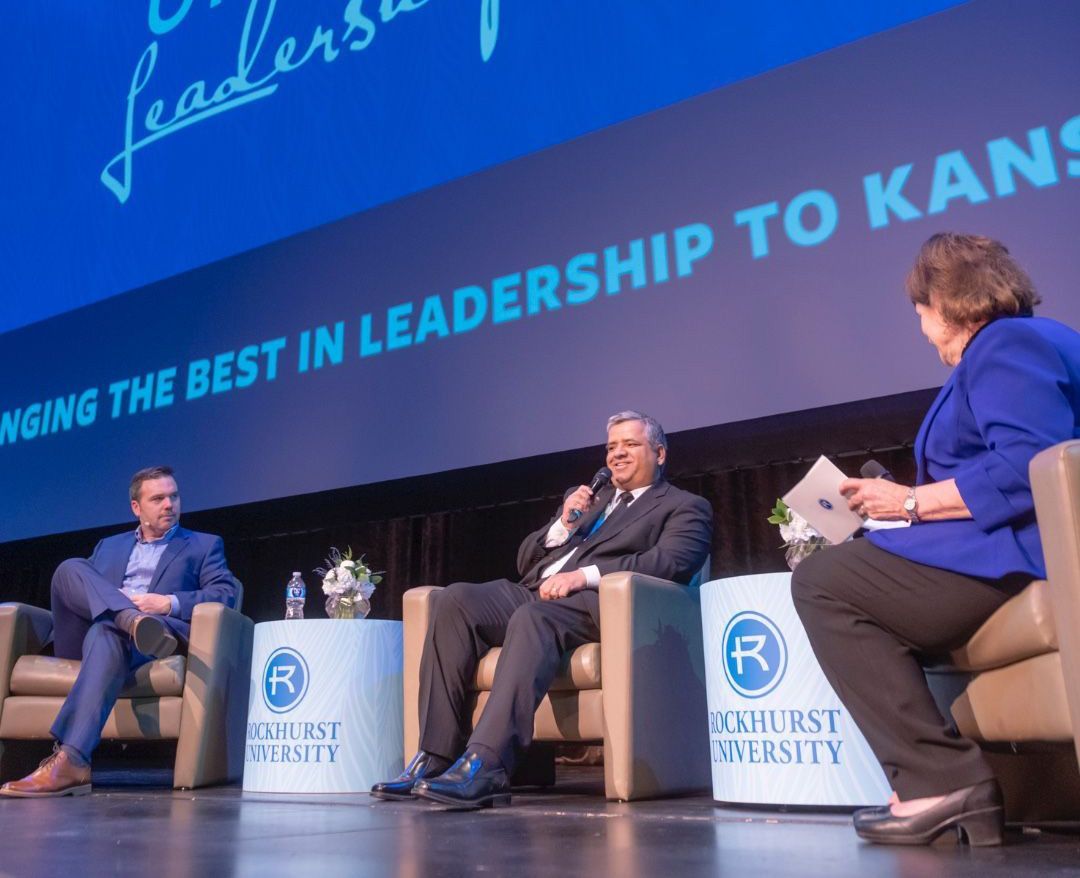
Tracey "The Safety Lady" Hawkins, AI Ethics and Safety Lead at WeCodeKC, moderated a panel called From Curiosity to Commitment: Turning AI Interest into Action. The panelists:
- Patty Aenchbacher, American Century Investments
- Sarah Kleine, Essense of Australia
- Alexandria Hamilton, Orinyx
- Dr. Cheryl Cooper, Avila University
- Andrea Cook, WeCode KC
The panelists come from finance, business, higher education, and tech education, and the question they shared was a practical one. Most organizations have tried AI by now. Far fewer have gotten from experiments to results. The panel kept pointing to the same missing pieces: trust, leadership, education, governance, security, and at least one person willing to champion the work when it gets hard.
Questions came in live from the audience through a QR code on screen, and the panelists answered them directly. The club also tried something new: an attendee playbook with practical answers drawn from the panel. About 55 people downloaded it that night.
Who is missing from the data
One theme ran through the whole evening: good AI starts with knowing who you are building for, and asking who is missing from the data and from the decisions.
Dr. Cheryl Cooper made that concrete. She pointed to medical devices that have been less accurate for patients with darker skin. The best-known case is the pulse oximeter, which studies have found can overestimate blood oxygen levels in patients with darker skin, the kind of error that can delay care.
That is not a talking point. It is a quality problem. A system trained on incomplete data gives incomplete answers, and the people who pay for it are the ones who were not in the data or in the room when the requirements were written. In its coverage of the event, Startland News cited research showing women hold about 22% of AI roles worldwide and fewer than 14% of senior AI leadership roles. Fewer perspectives at the table means more blind spots in what gets built.
The first Women in AI Award recipients
Thirty-nine women were nominated across five categories. Every nomination came from someone who had seen the nominee's work up close, and a selection committee from the club's board made the final decisions. On stage, the nominators' own words were read aloud, so each award came with a specific account of the work behind it.
- Women's AI Champion Award: Maliha Khan, CEO and Founder, Khanect the Dots
- Enterprise AI Leadership Award: Sweta Sinha, Director of AI Engineering and Machine Learning, Ascend Learning
- Founder, Advisor & Entrepreneur Award: Dr. Nikki Harding, Founder, Inclusive Leadership Lab
- Small & Medium Business AI Impact Award: Kalli Jordan, Research Director, XPMatters
- Community & Education Impact Award: Amy Coleman-Miller, AI and Digital Transformation Lead
The Rising Star Award was not given this year.
The recipients were clear about what the awards meant to them. Maliha Khan wrote that the recognition mattered "not because an award is ever the end goal," but because of the people who worked with her and spoke up for her in rooms she was not in. She called the 39 nominations the real story of the night. Sweta Sinha credited the work and partnership of her team at Ascend Learning.
You can see all 39 nominees, plus photos from the night, on the Women in AI event page. Nominations for the 2027 awards open next year.
What to take back to work
- Treat readiness as ongoing. Check leadership, people, process, data, governance, and technology together, and check them again after launch.
- Ask who is missing before you ship. Look at what your training data leaves out, and test with people whose backgrounds differ from the team that built it.
- Put governance and security in the plan early. Adding them after a pilot succeeds is slower and more expensive than starting with them.
- Find your champion. AI projects that move from interest to results almost always have someone who keeps pushing when the novelty wears off.
Next up: the KC AI Expo on November 10
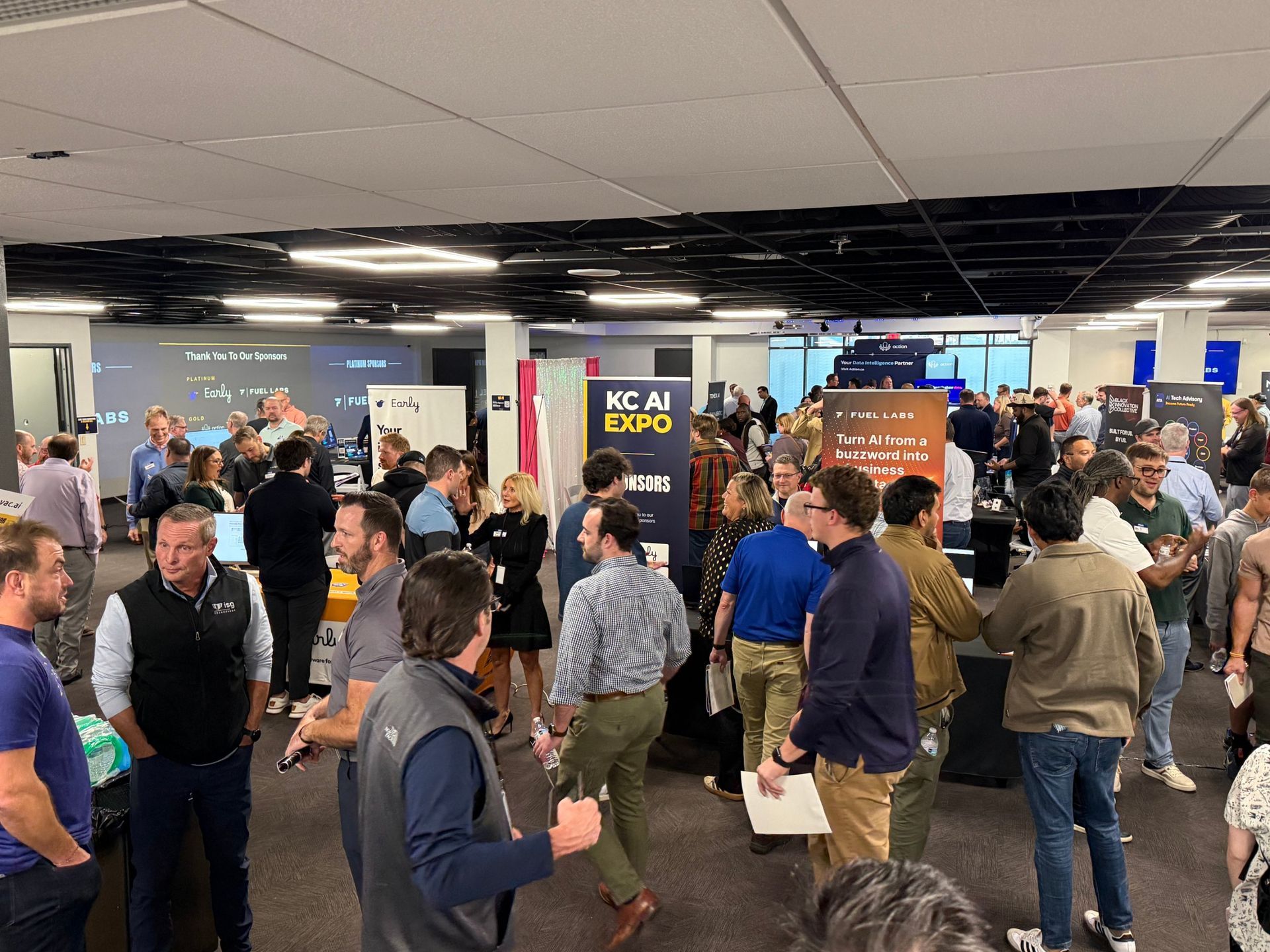
Our next big night is the KC AI Expo on Tuesday, November 10, at The Mint in Lenexa. It is a different format: no keynotes and no stage program, just a floor full of Kansas City companies showing what they are building with AI, live. If the Women in AI night was about the questions to ask, the Expo is where you can see the answers in action. Get the details and register here.
Thank you to Kansas City Women in Technology for co-hosting, to the KU Edwards Campus for the room, to Lyndsay Noble, Tracey Hawkins, and our panelists, to Startland News for the coverage, and to everyone who took the time to nominate someone.